
 By Mian Mudassar Hussain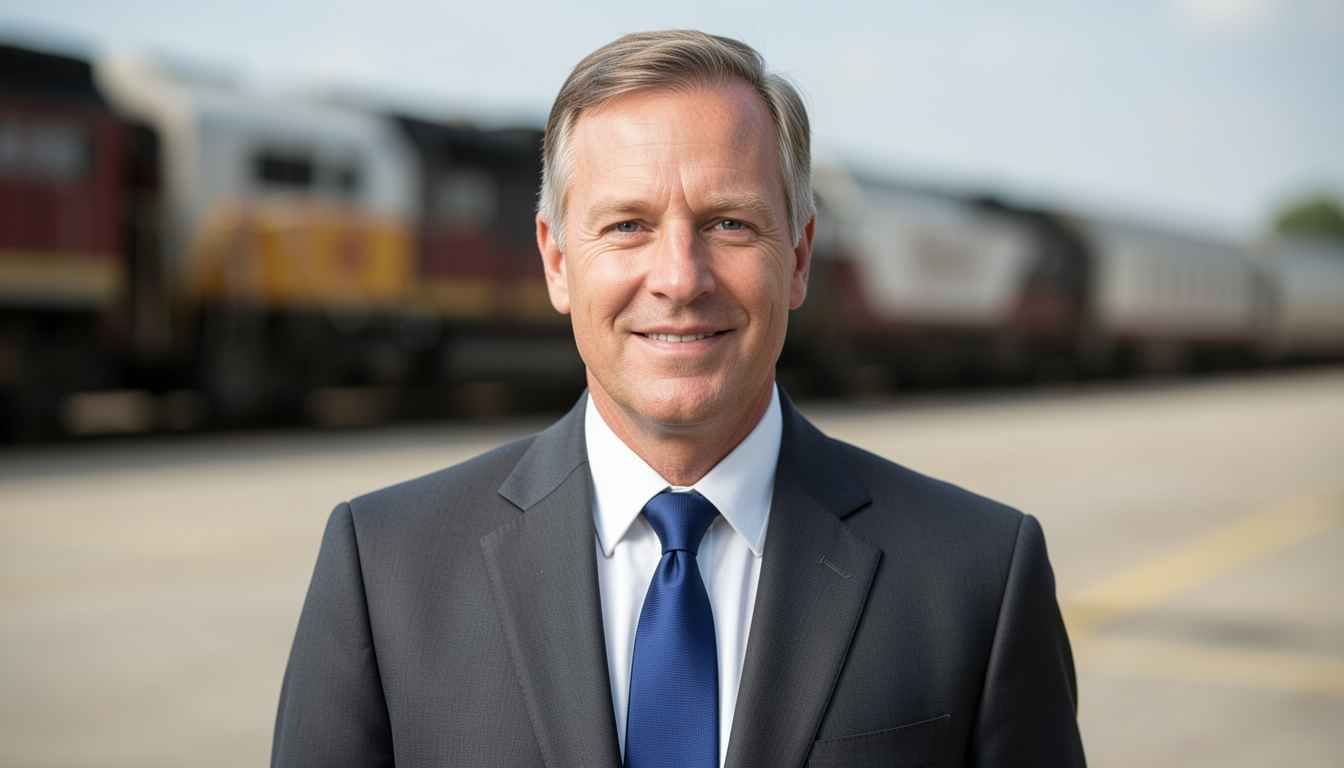
Claude Edward Elkins Jr, more widely known as Ed Elkins, is an executive at Norfolk Southern Corporation, where he serves as Executive Vice President and Chief Commercial Officer. Public company biographies show a career built from the ground up: he began as a Road Brakeman in 1988, later worked as a Conductor, Locomotive Engineer, and Relief Yardmaster, then moved into intermodal marketing and senior commercial leadership roles before reaching the C-suite. Norfolk Southern also notes that he is a native of Southwest Virginia, a U.S. Marine Corps veteran, and an alumnus of the University of Virginia’s College at Wise and Old Dominion University.
For beginners, his story is interesting because it shows how deep operational experience can lead to executive responsibility. Instead of entering leadership from a purely corporate background, Elkins built credibility through frontline railroad work, then expanded into marketing, strategy, and customer-facing leadership. That progression makes him a useful example of how operational knowledge and business leadership can work together in a complex industry like freight rail.
Who Is Claude Edward Elkins Jr?
Claude Edward Elkins Jr is a senior railroad executive at Norfolk Southern, one of the major freight rail companies in the United States. In the company’s official leadership biography, Norfolk Southern says he leads the firm’s Intermodal, Automotive, and Industrial Products divisions, along with Real Estate, Industrial Development, Short Line Marketing, Field Sales, and Customer Logistics. That means his work sits at the center of how the company serves customers, manages freight flow, and develops commercial growth.
He is not simply a corporate administrator who arrived from outside the industry. According to Norfolk Southern, Elkins began in railroad operations after serving in the U.S. Marine Corps. He joined the company as a Road Brakeman and later held operational roles that gave him firsthand exposure to the daily realities of moving freight safely and efficiently. That background helps explain why his later leadership roles emphasize both customer service and operational discipline.
Another reason people look up Elkins is that his career path is unusual in a modern executive setting. His rise from entry-level rail work to executive leadership reflects a long-term progression inside the same industry and company. Norfolk Southern has publicly highlighted that path in its leadership materials and business updates, reinforcing the idea that his career is closely tied to the railroad itself.
Early Life and Personal Background
Publicly available information about Elkins’ private family life is limited, and Norfolk Southern’s official biography does not go into detail about relatives, childhood household dynamics, or personal upbringing. What the company does state is that he is a native of Southwest Virginia, which gives readers a clear geographic anchor for his roots.
His early adult life is easier to trace because Norfolk Southern confirms that he served in the United States Marine Corps before starting his rail career. In a company veterans feature, Elkins said he enlisted in the Marine Corps in 1983 at age 17 and served as an armored crewman. That military background is important because it helps explain the discipline, structure, and service mindset often associated with his later professional path.
For beginners trying to understand him, this is the most reliable way to frame his background: he came from Southwest Virginia, served in the Marines, and then entered railroad work. Those are the verified details that form the foundation of his public biography. Anything beyond that would be speculation, and the available official sources do not support it.
Education and Formative Years
Elkins’ academic background is also publicly documented by Norfolk Southern. He earned a bachelor’s degree in English from the University of Virginia’s College at Wise and later completed an MBA from Old Dominion University with a concentration in Port & Maritime Economics. Those credentials are especially relevant in a transportation company, where communication, commercial strategy, and logistics all matter.
His education appears to have supported two sides of his professional development. The English degree suggests strong communication and analytical skills, while the MBA with a port and maritime focus aligns closely with the intermodal and supply-chain side of railroading. In other words, his schooling matches the practical demands of the leadership roles he later held. That connection is an inference, but it is well supported by the alignment between his academic path and his commercial responsibilities.
Norfolk Southern also notes that he has completed management certificates from Harvard Business School, the University of Virginia Darden School of Business, and the University of Tennessee Supply Chain Institute. Those additional credentials suggest continued professional development rather than a one-time educational foundation. For a leader in logistics and rail, that kind of ongoing learning is a meaningful signal of long-term commitment to the field.
Career and Notable Achievements
Elkins’ professional career began in 1988 when Norfolk Southern hired him as a Road Brakeman. The company says he then served as a Conductor, Locomotive Engineer, and Relief Yardmaster. These roles are highly operational, and they place him directly in the environment where trains are assembled, managed, and moved safely through the network. That kind of start gave him a detailed understanding of how the railroad functions day by day.
After his time in operations, Norfolk Southern says he spent two decades in Intermodal Marketing. This is a significant transition because intermodal freight connects rail with trucking and maritime logistics. It is also one of the most commercially important areas of modern freight transport. His move into this area suggests that he was not only learning how trains operate, but also how customers, freight networks, and broader supply chains work together.
In 2016, Elkins was named Group Vice President of Chemicals Marketing, and in 2018 he was promoted to Vice President of Industrial Products. These positions are notable because they show a steady rise through increasingly strategic responsibilities. He moved from operational work into commercial leadership, then into roles that required managing market segments, customer needs, and industry relationships.
Norfolk Southern appointed him Chief Commercial Officer in 2021. In that role, he now oversees major commercial business divisions and customer-focused functions. The company’s biography makes clear that his current leadership includes intermodal, automotive, industrial products, real estate, industrial development, short line marketing, field sales, and customer logistics. This is one of the most important achievements in his career because it placed him among the top executives responsible for the company’s revenue-facing strategy.
His achievements are also visible in the public work he has done as an executive. Norfolk Southern has featured him in articles about growth, rail strategy, customer advisory work, and market trends. In 2024 and 2025, company pieces quoted him speaking on rail growth, infrastructure, customer service, and the broader role of freight rail in the U.S. economy. That shows he is not just a behind-the-scenes manager; he is also a public face of the company’s commercial vision.
Why His Career Path Stands Out
What makes Elkins especially noteworthy is the shape of his career. Many executives move through finance, consulting, or general management before reaching senior leadership. Elkins followed a different route: he started in rail operations, then moved into marketing and commercial leadership, and eventually became a top executive. That path matters because it combines practical knowledge with strategic authority.
This kind of background can be especially valuable in rail transportation. Freight rail is a complex system where safety, scheduling, infrastructure, customer commitments, and market demands all have to work together. A leader who understands the operational side is often better positioned to make decisions that are realistic and durable. That is an inference, but it follows directly from the roles Elkins held before becoming chief commercial officer.
His path also shows professional patience. The official biography does not describe a sudden leap to executive status. Instead, it shows years of movement through different departments and responsibilities. For beginners, that is an important lesson: long-term growth often comes from gradually building expertise, credibility, and adaptability.
Why Claude Edward Elkins Jr Matters Today
Elkins matters today because he represents a type of leadership that still carries real value in large industrial businesses. Norfolk Southern describes itself as a customer-centric, operations-driven freight transportation network, and Elkins’ background fits that model well. His work links customer needs with network performance, which is exactly the kind of balance modern transportation companies need.
He is also relevant because freight rail remains central to the U.S. economy. Norfolk Southern says it serves a majority of the country’s population and manufacturing base and connects to more than 54 inland, lake, river, and sea ports. In that environment, commercial leaders help shape how goods move, how industries connect, and how supply chains remain resilient. Elkins’ role places him inside that broader national system.
Another reason he matters is sustainability. Norfolk Southern states that its rail service helps customers avoid approximately 15 million tons of yearly carbon emissions by shipping via rail. Because Elkins works in the company’s commercial leadership, his decisions can influence how customers choose rail over other modes of freight transport. That ties his work not only to business growth, but also to environmental impact.
His importance also comes from his visible role in industry conversations. Norfolk Southern has published articles featuring his remarks on rail growth, customer collaboration, and service standards. In 2025, for example, the company reported that he spoke about building a safer, more resilient, and more customer-focused rail network. That suggests he is part of the company’s public strategy narrative, not just its internal management structure.
Lessons and Insights From His Story
One of the clearest lessons from Elkins’ career is that frontline experience can become a leadership advantage. Because he worked in operations before entering commercial roles, he likely carried with him a detailed understanding of how rail service works in practice. That kind of knowledge can improve decision-making in customer-facing and strategic roles. This is a reasonable inference from the verified timeline of his career.
A second lesson is the value of steady progression. His biography shows a gradual rise through the company over decades, not a shortcut to success. For beginners, that can be encouraging. It demonstrates that building expertise, earning trust, and developing broader responsibility over time can still lead to high-level leadership.
A third lesson is the importance of combining technical and commercial thinking. Elkins worked in operations, intermodal marketing, chemicals marketing, industrial products, and executive commercial leadership. That mix matters because the best business decisions often come from understanding both what customers want and what the network can realistically deliver.
Finally, his biography shows the value of continuous learning. His degree work, MBA, and management certificates suggest that education did not end after his first job or even after his early career. In demanding industries, that willingness to keep learning can be one of the strongest predictors of long-term leadership success.
His Lasting Influence
Elkins’ lasting influence is likely to be strongest in the way he bridges operations and commercial strategy. Norfolk Southern’s leadership materials show that his responsibilities sit at the intersection of service, logistics, and customer growth. That position makes him influential in how the company plans for current performance and future expansion.
He also stands as a visible example of internal career growth within a large industrial company. Beginning as a brakeman and rising to executive vice president is a rare and compelling story in any sector. It communicates that deep experience still matters, especially in industries where practical understanding is essential.
For the rail industry more broadly, his career reflects a larger trend: companies increasingly need leaders who can connect customer demands, supply-chain pressures, sustainability goals, and operational reliability. Elkins’ background makes him a fit for that environment, and that is part of why his biography continues to attract attention.
Frequently Asked Questions About Claude Edward Elkins Jr
Who is Claude Edward Elkins Jr?
He is better known as Ed Elkins and serves as Executive Vice President and Chief Commercial Officer at Norfolk Southern.
What was his first job at Norfolk Southern?
Norfolk Southern says he joined the company in 1988 as a Road Brakeman.
Did he work in operations before leadership?
Yes. The company says he served as a Conductor, Locomotive Engineer, and Relief Yardmaster before moving into marketing and executive roles.
What is his educational background?
He earned a bachelor’s degree in English from UVA Wise and an MBA from Old Dominion University with a concentration in Port & Maritime Economics.
Is much known about his family and personal life?
Not much is publicly documented in official company sources. The verified public details mainly focus on his military service, education, and rail career.
Key Takeaways
Claude Edward Elkins Jr, or Ed Elkins, is a senior Norfolk Southern executive whose career began in frontline railroad operations and progressed steadily into commercial leadership. His biography includes verified details such as military service in the U.S. Marine Corps, a background in Southwest Virginia, and formal education in English and business.
For beginners, the most important lesson from his story is that leadership can grow from hands-on experience. His path shows how operational knowledge, continued education, and long-term commitment can combine to create a strong executive career in a complex industry.
If you publish this as a blog, the best angle is not to overstate unverified personal details. The strongest version of the article is a factual, well-structured profile centered on his rail career, education, military service, and current leadership role. That approach is both accurate and useful.