
 By Mian Mudassar Hussain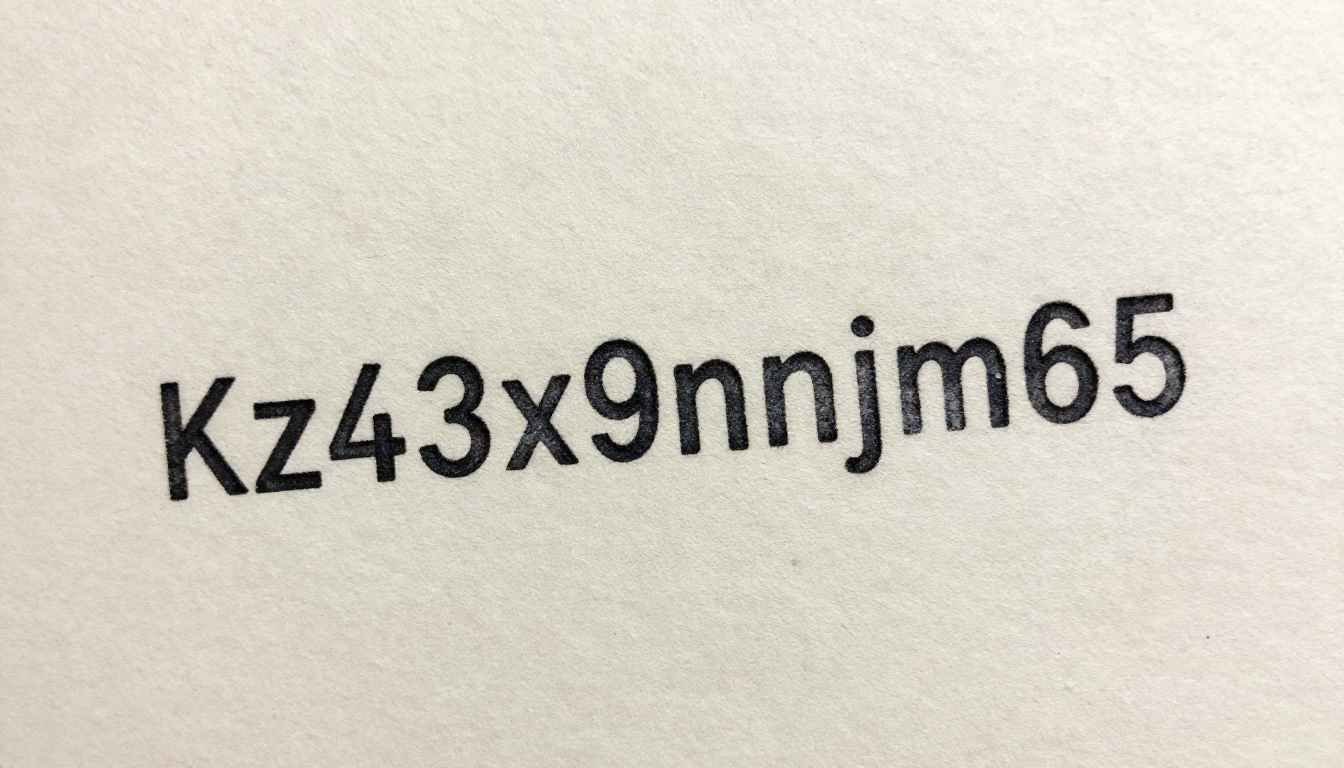
In today’s digital world, data is constantly being created, transferred, stored, and processed. Behind the scenes, countless systems rely on unique identifiers to organize information accurately and efficiently. One example of such an identifier is kz43x9nnjm65.
At first glance, kz43x9nnjm65 appears to be nothing more than a random combination of letters and numbers. However, identifiers like this play an important role in modern technology. They help systems distinguish one record from another, improve security, support automation, and maintain accurate data management.
Unlike product names, brand names, or technical terms, kz43x9nnjm65 has no predefined or universal meaning. Instead, it serves as an example of a machine-generated alphanumeric identifier that may be assigned to a specific object, user, transaction, file, session, or database record.
This guide explains what kz43x9nnjm65 is, how it works, where it may be used, and why understanding identifiers is important for beginners.
Understanding kz43x9nnjm65
What Is kz43x9nnjm65?
kz43x9nnjm65 is a machine-generated alphanumeric identifier consisting of letters and numbers arranged in a unique sequence. Such identifiers are commonly created by software systems to represent specific records or entities without relying on human-readable names.
The primary goal of an identifier is uniqueness. Each identifier should represent one item and one item only.
For example, a system may assign identifiers to:
- Customer accounts
- Transactions
- Devices
- Database entries
- Digital files
- Application sessions
- API requests
Why Is kz43x9nnjm65 Gaining Attention?
Many people encounter unfamiliar codes while browsing websites, reviewing logs, managing databases, or using digital platforms. Because identifiers often appear random, they naturally generate curiosity.
As more businesses adopt cloud computing, automation, artificial intelligence, and large-scale data management, identifiers have become increasingly visible in everyday technology environments.
Possible Meanings and Interpretations
Since kz43x9nnjm65 is machine-generated, its meaning depends entirely on the system that created it.
It could represent:
- A database record ID
- A user session token
- An order reference number
- A tracking identifier
- A software-generated key
- An internal asset reference
- A testing or development identifier
Without access to the originating system, the identifier itself carries no inherent meaning.
Key Characteristics of kz43x9nnjm65
Several characteristics make identifiers like kz43x9nnjm65 useful:
Uniqueness
Every identifier is designed to be different from others.
Scalability
Millions of identifiers can be generated without conflicts.
Machine Readability
Computers can process identifiers quickly and efficiently.
Consistency
The identifier remains unchanged even if associated information changes.
Security Enhancement
Randomized identifiers reduce predictability and help protect sensitive information.
Why Beginners Should Understand kz43x9nnjm65
Understanding identifiers helps users:
- Navigate digital systems more effectively
- Troubleshoot technical issues
- Understand database organization
- Learn software development fundamentals
- Improve digital literacy
As technology continues evolving, identifiers will remain essential components of modern systems.
How kz43x9nnjm65 Works and Its Core Components
The Basic Structure Behind kz43x9nnjm65
The identifier consists of a combination of letters and numbers.
Example:
kz43x9nnjm65
This structure provides a large number of possible combinations, making duplication highly unlikely.
A longer identifier generally provides:
- More uniqueness
- Better scalability
- Improved security
- Greater flexibility
Essential Elements Supporting Functionality
Several components contribute to identifier effectiveness:
Character Set
Identifiers often use:
- Lowercase letters
- Uppercase letters
- Numbers
- Special characters (in some systems)
Generation Logic
Systems may create identifiers using:
- Random generators
- Sequential algorithms
- Hashing functions
- Timestamp-based methods
- Hybrid approaches
Storage Mechanisms
Identifiers are typically stored within databases and linked to associated records.
How Components Interact
A typical process works as follows:
- A new record is created.
- The system generates a unique identifier.
- The identifier is assigned to the record.
- Related systems use the identifier for retrieval and processing.
- Future updates reference the same identifier.
This process ensures consistency across applications and databases.
Common Processes Involving kz43x9nnjm65
Identifiers commonly participate in:
Data Retrieval
Systems locate records quickly using identifiers.
User Authentication
Session tokens help verify users.
Transaction Tracking
Purchases and payments receive unique references.
API Communication
Requests and responses can be tracked using identifiers.
Asset Management
Files and resources receive permanent references.
Factors Affecting Performance
Several factors influence identifier effectiveness:
- Length
- Randomness quality
- Collision prevention
- Database indexing
- Storage architecture
- Security requirements
Well-designed identifiers improve system reliability and efficiency.
Applications and Benefits of kz43x9nnjm65
Industries Using Similar Identifiers
Identifiers are used across numerous industries.
Information Technology
Software applications rely heavily on unique identifiers.
E-Commerce
Orders, payments, and shipments require unique tracking references.
Healthcare
Patient records often use secure identifiers.
Banking and Finance
Transactions must be uniquely identifiable.
Manufacturing
Products and inventory require traceability.
Telecommunications
Customer accounts and network devices use unique references.
Research and Education
Large datasets depend on unique record management.
Practical Real-World Applications
Examples include:
- Online shopping order numbers
- Banking transaction IDs
- Membership account references
- Cloud storage file identifiers
- Customer support ticket numbers
- Digital certificates
- Software licensing systems
Although users may never notice them, identifiers operate behind the scenes continuously.
Major Benefits for Individuals and Organizations
Improved Organization
Information remains structured and accessible.
Reduced Errors
Unique references minimize confusion.
Faster Searches
Databases retrieve records quickly.
Better Security
Randomized identifiers are difficult to predict.
Easier Integration
Different systems can communicate consistently.
Enhanced Tracking
Organizations can monitor activities accurately.
Improving Efficiency and Outcomes
Identifiers eliminate ambiguity.
Instead of searching by name or description, systems can instantly locate the exact record associated with a unique identifier.
This improves:
- Performance
- Accuracy
- Reliability
- User experience
Reasons for Growing Popularity
Several trends contribute to increased use:
- Digital transformation
- Cloud computing
- Automation
- Artificial intelligence
- Big data analytics
- Internet of Things (IoT)
As data volumes continue growing, unique identifiers become even more valuable.
Getting Started with kz43x9nnjm65
Important Requirements
Before implementing identifier systems, organizations should consider:
- Data volume
- Security needs
- Scalability requirements
- Database structure
- Compliance obligations
Proper planning helps avoid future complications.
Step-by-Step Approach for Beginners
Step 1: Understand the Purpose
Determine why identifiers are needed.
Step 2: Define Uniqueness Requirements
Ensure identifiers remain distinct.
Step 3: Choose a Generation Method
Select an appropriate algorithm.
Step 4: Store Identifiers Properly
Use reliable database structures.
Step 5: Implement Validation
Prevent duplicates and formatting errors.
Step 6: Test Thoroughly
Verify functionality before deployment.
Best Practices
Keep Identifiers Stable
Avoid changing identifiers after creation.
Maintain Consistency
Use standardized formats.
Prioritize Security
Protect sensitive identifiers.
Document Usage
Provide clear implementation guidelines.
Monitor Performance
Regularly review system effectiveness.
Common Mistakes to Avoid
Reusing Identifiers
Reuse can create conflicts.
Poor Randomization
Weak generation methods increase collision risks.
Excessive Complexity
Overly complicated identifiers hinder maintenance.
Lack of Documentation
Undocumented systems create confusion.
Ignoring Security
Predictable identifiers may expose vulnerabilities.
Helpful Learning Resources
Beginners can learn more through:
- Database design courses
- Software development tutorials
- Cloud computing certifications
- Cybersecurity training
- Technical documentation
- Programming communities
Building foundational knowledge improves implementation success.
Future Trends and Frequently Asked Questions About kz43x9nnjm65
Emerging Developments
Several trends are shaping identifier technology.
Artificial Intelligence Integration
AI systems increasingly require unique identifiers for model tracking.
Distributed Systems
Cloud environments depend heavily on scalable identification methods.
Blockchain Applications
Decentralized systems rely on unique references for transparency.
Internet of Things Expansion
Billions of connected devices require reliable identifiers.
Challenges Users May Encounter
Common challenges include:
- Identifier collisions
- Security concerns
- Database migration issues
- System integration complexity
- Long-term maintenance
Proper planning helps mitigate these risks.
Future Opportunities
Organizations that implement effective identifier systems can benefit from:
- Better automation
- Improved analytics
- Greater scalability
- Enhanced interoperability
- Stronger security frameworks
As digital ecosystems expand, identifiers will become increasingly critical.
Frequently Asked Questions
Is kz43x9nnjm65 a real product or technology?
No. It is best understood as a machine-generated alphanumeric identifier rather than a specific product or technology.
Does kz43x9nnjm65 have a hidden meaning?
Not necessarily. Most identifiers are generated for uniqueness rather than human interpretation.
Can two systems use the same identifier?
Yes, if generated independently. However, within a properly designed system, identifiers should remain unique.
Are identifiers secure?
Identifiers contribute to security but should not be considered security measures by themselves.
Why do identifiers look random?
Randomness helps prevent duplication and predictability.
Where might I encounter identifiers like kz43x9nnjm65?
You may see them in:
- Databases
- URLs
- Software logs
- Transactions
- Authentication systems
- Cloud platforms
Can identifiers be changed?
While technically possible, changing identifiers is generally discouraged because it can disrupt relationships between records.
Final Thoughts and Key Takeaways
Although kz43x9nnjm65 may appear to be a random string of characters, it represents an important concept in modern technology: the unique identifier. These identifiers help systems organize, track, secure, and manage information efficiently.
From databases and cloud services to e-commerce platforms and artificial intelligence applications, identifiers serve as the foundation of digital organization. Their ability to provide uniqueness, consistency, scalability, and reliability makes them indispensable in today’s data-driven world.
For beginners, understanding identifiers like kz43x9nnjm65 offers valuable insight into how modern systems function behind the scenes. As technology continues to evolve, the role of unique identifiers will only become more significant, making this knowledge increasingly useful for both technical and non-technical audiences.